
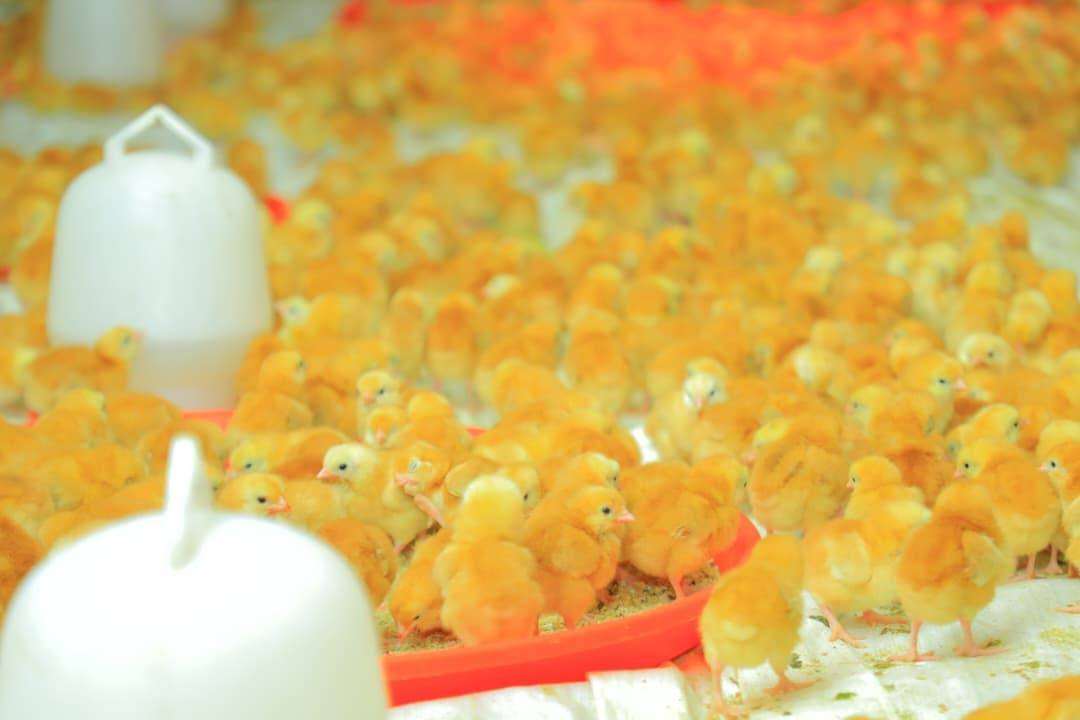
የደቡብ ኢትዮጵያ ክልል ዶሮ እርባታ ኢንተርፕራይዝ በክልሉ አቅም ለመጀመሪያ ጊዜ የአንድ ቀን ዶሮ ጫጬቶችን አሰራጨ
(አዲስ አበባ፣ የካቲት 30 ቀን 2018 ዓ.ም፣ ግብርና ሚኒስቴር)
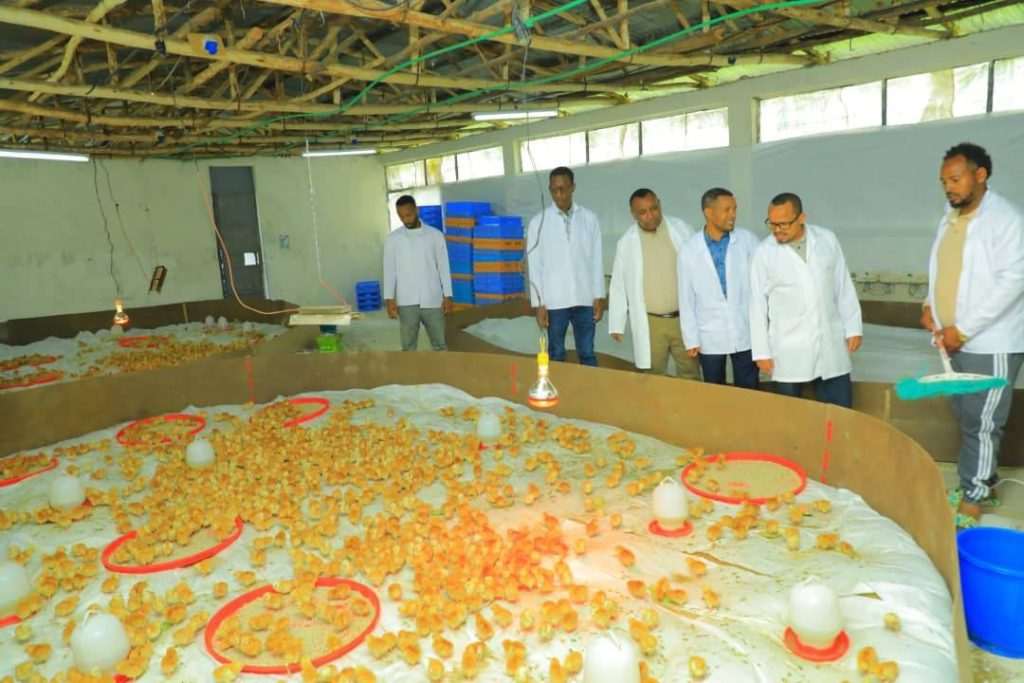
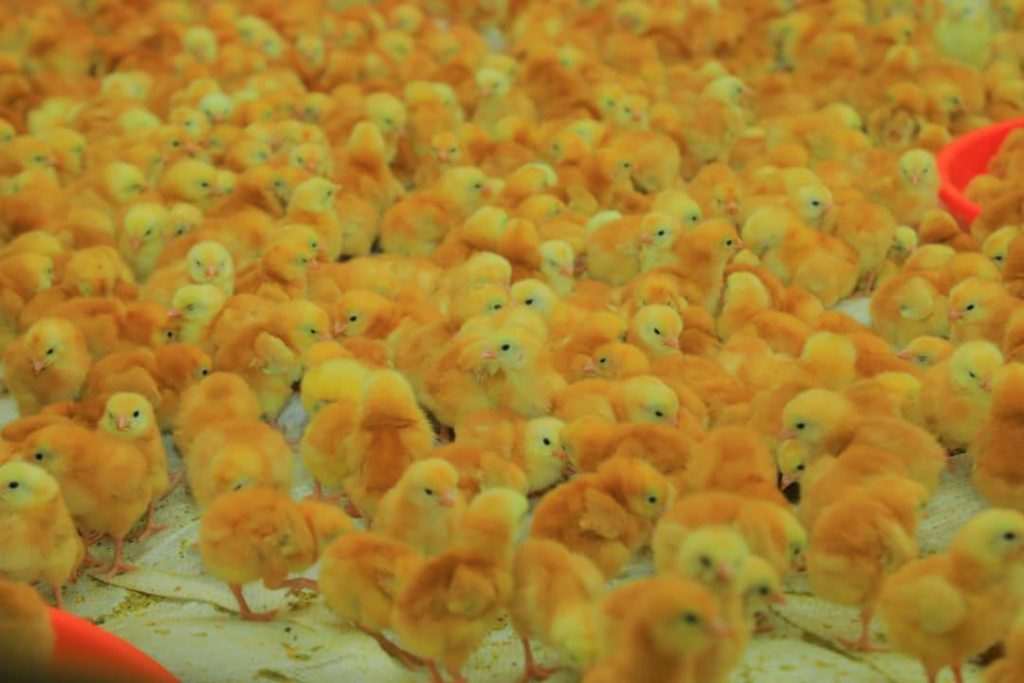
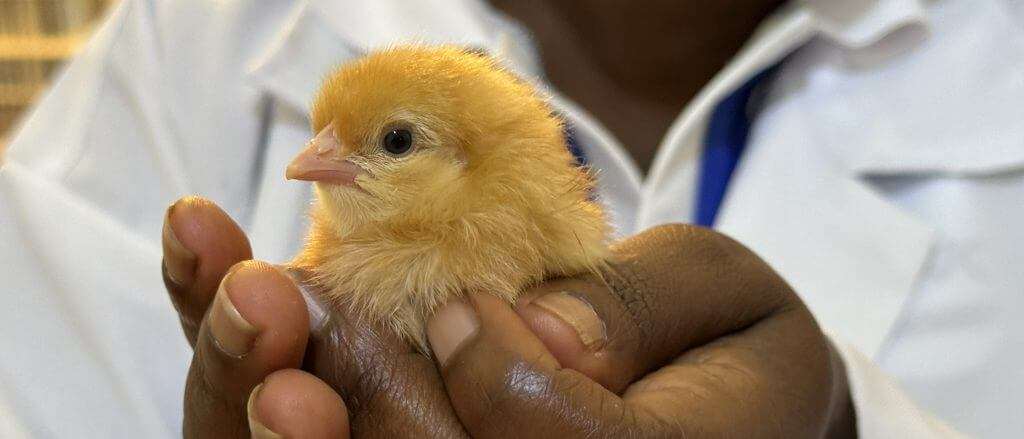
የደቡብ ኢትዮጵያ ክልል ዶሮ እርባታ ኢንተርፕራይዝ በክልሉ አቅም ለመጀመሪያ ጊዜ ያስፈለፈላቸውን ከ6 ሺህ በላይ የአንድ ቀን ዶሮ ጫጬቶችን ለአርቢዎች አሰራጨ።
በምክትል ርዕሰ-መስተዳድር ማዕረግ የዲላ ክላስተር አስተባባሪና የክልሉ ግብርና ቢሮ ኃላፊ መሪሁን ፍቅሩ(ዶ/ር) በዚሁ ወቅት እንደተናገሩት የሌማት ትሩፋት ኢኒሼቲቪ አካል የሆነው የዶሮ እርባታ ሥራ…
ሙሉ ዜናውን ለማንበብ https://web.facebook.com/share/p/181VnBTL3X/
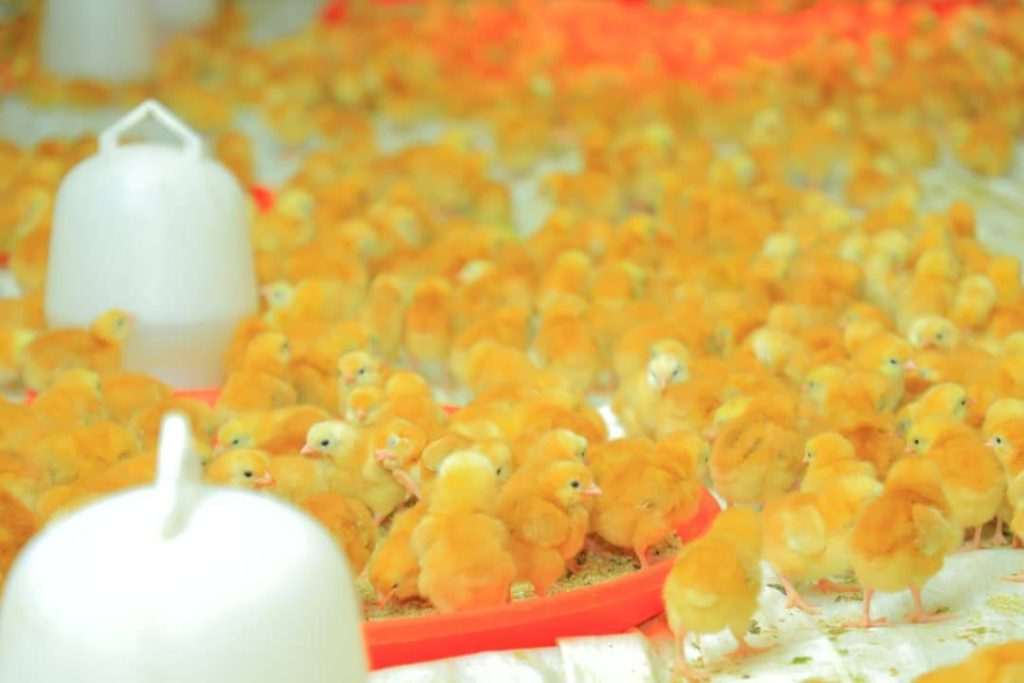
Improvement in poultry production is one of the most promising options to provide affordable protein and other essential nutrients to Africa’s rapidly growing population, but poultry diseases pose a constant threat to productivity, and limit the industry’s potential. Even though vaccination is proven as an effective way of protecting poultry, high temperatures in Africa make distribution of vaccines (which mostly need to be kept cold) a challenging task in the continent. This hurdle, combined with a lack of information about circulating infectious diseases, exposes small-scale producers to the risk of losing their flocks and livelihoods overnight.
In 2021, Ceva Santé Animale in partnership with GALVmed, and with the support of the Bill & Melinda Gates Foundation (BMGF), launched the PREVENT (PRomoting and Enabling Vaccination Efficiently, Now and Tomorrow) initiative to introduce hatchery vaccinations for day old chicks (DoC) in mid-size hatcheries in Africa. The overarching objective was to enable small-scale poultry producers in Africa to become more productive and efficient and to enhance their prospects for progression and advancement in the industry. And the targets were ambitious; over 50 million hatchery-vaccinated day-old chicks distributed annually through 36 medium-sized hatcheries spread across eight Africa countries. These were expected to benefit 150,000 poultry producers.
Three years since inception and with over a year left on the project, PREVENT has performed remarkably and is on track to achieving, and in some instances exceeding, its targets. Already, 31 hatcheries in 11 countries have been equipped to provide vaccinations to DoCs benefitting over 100,000 poultry farmers.

Read more here
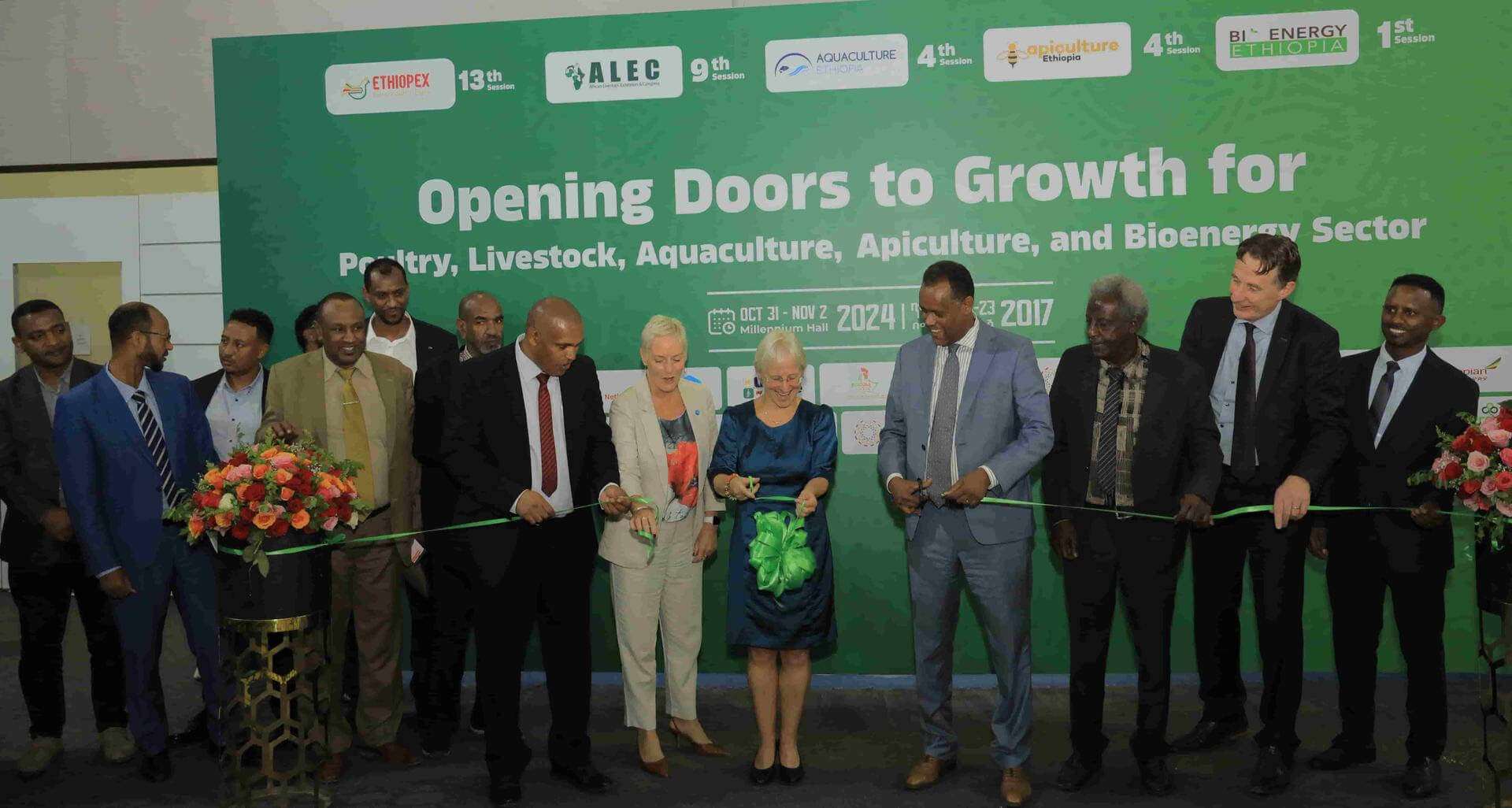
The 13th Ethio Poultry Expo (ETHIOPEX) and the 9th Africa Livestock Exhibition and Congress (ALEC) have officially opened at Millennium Hall, showcasing Ethiopia's commitment to advancing its animal husbandry sector. This year’s event, which also features exhibitions on Apiculture, Aquaculture, and Bioenergy, has attracted over 1,000 enthusiastic visitors.
The opening ceremony on October 31, 2024, was marked by a vibrant atmosphere of exchanges and collaborations, welcoming exhibitors from 14 countries. Esteemed guests and partners celebrated this impactful start, reinforcing Ethiopia's role in advancing its agricultural landscape.
The ceremony was graced by notable figures, including:
Highlighting the significance of animal husbandry to Ethiopia's economy, Dr. Regassa stated, “With Africa’s largest livestock population, enhancing productivity in dairy, poultry, aquaculture, and honey is essential to meet our country’s food demands.” He emphasized this year’s theme, “Livestock: Now and the Future; Current Opportunities, Challenges, and the Way Forward,” aligning with the goals of the "Yelemat Tirufat" program.
Ambassador Pirenne expressed the Netherlands' commitment to supporting Ethiopia’s dairy and poultry sectors, emphasizing their role in economic growth and food security. She noted the participation of over 15 Dutch companies showcasing innovations in genetic breeding and dairy processing technology.
Mrs. Graham encouraged participants to engage and collaborate, emphasizing the event as a valuable opportunity for sharing experiences and advancing sustainable practices in animal husbandry.
Mr. Lemma highlighted the impressive turnout of over 100 exhibitors from various countries, thanking partners, including the Ethiopian Ministry of Agriculture and the Ethiopian Livestock Development Institute, for their support in making the event possible.
Moustafa underscored the importance of partnerships as a foundation for progress, expressing excitement about the collaborative opportunities that ETHIOPEX offers to local and international stakeholders.
Attendees explored advanced technologies and solutions at the Netherlands Pavilion, engaging with top exhibitors in the livestock and poultry sectors. Completed sessions included the Poultry Forum and the Dairy Summit on milk quality and safety.
The second day promises valuable insights with the following key sessions:
This exclusive session will gather experts in dairy production and safety to discuss innovative approaches for Ethiopia's dairy sector.
This session will address essential issues affecting the animal husbandry sector.
As we move forward, the ETHIOPEX and ALEC events aim to shape the future of Ethiopian agriculture through collaboration and innovation. Thank you to all who contributed to a successful opening day! We look forward to another day of insights and progress in animal husbandry.
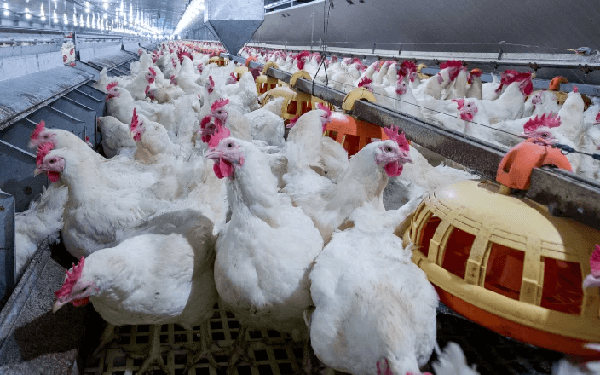
Driven by changing consumer preferences, economic factors, and regional dynamics, chicken meat and eggs are at the forefront of this growth. In this comprehensive analysis, we explore the key drivers behind the industry’s upward trajectory.
Feed efficiency and cost reduction
Advancements in poultry nutrition and management practices have led to improved feed efficiency. Lower input costs—particularly for feed, vaccines, and medications—have made chicken production more economically viable. As a result, consumers benefit from affordable chicken prices, encouraging higher consumption.
The role of technology
Precision agriculture, genetic selection, and data-driven decision-making have revolutionized poultry farming. Farmers can optimize feed conversion ratios, reduce waste, and enhance productivity. These technological innovations contribute to the industry’s growth.
Chicken as the preferred protein
In an increasingly health-conscious world, chicken remains a popular choice. It is lean, versatile, and adaptable to various cuisines. As inflation eases and wages improve, consumers continue to prioritize affordability, making chicken an attractive option.
Read more here

Growth in global poultry consumption is poised to return to historic levels after several years of slow progress.
Demand should grow by 2.5% to 3% worldwide this year, driven by accelerating consumption growth in many markets, according to the latest global Poultry Quarterly report from the research unit at Rabobank.
See also: Proper turnaround still required despite 30kg switch
“Global poultry markets are performing well due to lower production costs and solid demand recovery in most markets,” said Nan-Dirk Mulder, senior analyst at RaboResearch.
However, the key issues confronting the trade remained a concern and were largely unchanged.
These included the need to maintain the market balance during expansion, the persistence of avian influenza, growing geopolitical tensions, and the cost of sustainability initiatives in numerous countries, along with the possible impact of El Nino on feed costs.
Read more here

A poultry feed mill is planned for Addis Ababa, the capital of Ethiopia.
This will support the business of a fast-food chain based in the United Arab Emirates, reports The National News.
According to this source, Americana is the biggest operator of quick-service restaurants in the Middle East and North Africa (MENA) region. By mid-2023, the company was operating almost 2,300 stores across the region. Many of the company’s 250 new outlets planned for completion by the end of this year are in Saudi Arabia.
At a recent event in Abu Dhabi, company chairman Mohamed Alabbar said that the investment in Ethiopia will support Americana’s business by boosting the poultry feed supply.
As corn and soybeans cannot be grown in the Middle East, he said that the region is unable to produce sufficient animal feed.
Alabbar did not give further details about the planned investment in Addis Ababa.
Founded in the 1960s, Americana was among the first fast-food chains in Kuwait. Since then, it has expanded to become the leading operator of out-of-home dining in 12 countries. Across MENA and Kazakhstan, it operates a number of chains, including KFC and Pizza Hut.
In 2022, it raised US$1.8 billion from an initial public offering as it launched simultaneously on the stock exchanges of Saudi Arabia and Abu Dhabi, reported the same source.
The group also operates hotel chains across the region. Last year, it launched a large project to develop a marina and luxury accommodation at the Albanian port of Durres.
Read more here
Nothing More to load
No more pages to load