
With expectations of the poultry sector growth to triple in the next two decades, the Food and Agriculture Organization of the United Nations is engaging with private sector players in the slaughter node of the poultry value chain to establish and implement best practices aimed at reducing public health-related risks and threats, such as food-borne and the zoonotic diseases.
These dialogues are premised under the Africa Sustainable Livestock 2050 (ASL2050), funded by USAID and implemented under the umbrella of the FAO Global Health Security Programme in collaboration with the ministries in charge of livestock, health, and environment sectors. ASL2050 objectives are to: identify emerging public health challenges associated with the growth and transformation of the livestock sector, such as emerging zoonotic diseases and livestock driven antimicrobial resistance; facilitate policy reforms at the local level to ensure that businesses along the livestock value chains adopt biosecurity and other good practices that reduce the risk of livestock-driven public health threats.
As part of the implementation of project activities, FAO collaborated with the Makerere University Business School (MUBS), and the Ministries of Agriculture Animal Industry and Fisheries, Health and Environment to gather information in the two pilot districts of Mukono & Wakiso on the poultry business models at the different nodes of the value chain. An analysis of business models allows identification of actionable changes that ensure adoption of biosecurity practices by poultry producers, slaughterers, traders as well as retailers.
The findings indicate that poultry operators rely on family labor to operate, and do not keep proper books of accounts. These findings make it difficult to assess production costs and ascertain the actual profits of the business. Indeed, many poultry businesses use very rudimentary and highly labor-intensive methods, which cause them to incur high operating costs and consequently affect profits negatively. Adoption of basic biosecurity practices; ranging from vaccinating birds to regularly to disinfecting slaughter equipment and vehicles; in many cases would increase the profitability and sustainability of the business while reducing public health risks for consumers, and society as a whole.
According to FAO global perspectives unit, chicken consumption is projected to increase by 320%, while eggs by 240% in Uganda. While chicken production is expected to increase by 409% from about 175 Million birds (poultry alone), from the current 47 Million by 2050, the average carcass weight is expected to increase from the current 1.3 Kg per bird to 1.5 Kgs per bird.
The FAO’s Emergency Center for Transboundary Diseases (ECTAD) country team leader in Uganda; Dr Willington Bessong Ojong, cited that the poultry sector is expected to grow at an estimated 4.8% annually alongside the piggery sector in the next 30 years. The beef and dairy shall trail these sectors and are anticipated to grow at 4.7% and 3.6% per year, respectively. These trends represent a major business opportunity for producers, which will result in transformative changes of the livestock value chain, particularly in urban and peri-urban areas. Indeed, the demand for foods of animal origin in the future will largely originate from the growing and increasingly affluent urban population
“Whereas this potential is positively projected to improve livelihoods in form of income, source of protein, employment, among other benefits, this transformation is likely to come along with unanticipated negative events and especially public health challenges such as livestock-driven antimicrobial resistance, emerging infectious and increased endemic zoonoses, environmental contamination among others. We need to take actions now to ensure a sustainable transformation of livestock in the years ahead.”
Mr Godfrey Kisembo, a poultry value chain actor in Wakiso district expressed concerns over the likelihood of an increase in prices of poultry and derived products resulting from the implementation of some of the best practices recommended such as, cost of veterinary inspection, increased engagement of veterinary staff in slaughter operations, as well as other costs of running the business.
FAO will further keep the dialogue with public and private livestock value-chain actors with the objective to improving compliance to best practices required by existing laws and legislations while promoting safe food access and profitability.
የደቡብ ኢትዮጵያ ክልል ዶሮ እርባታ ኢንተርፕራይዝ በክልሉ አቅም ለመጀመሪያ ጊዜ የአንድ ቀን ዶሮ ጫጬቶችን አሰራጨ
(አዲስ አበባ፣ የካቲት 30 ቀን 2018 ዓ.ም፣ ግብርና ሚኒስቴር)
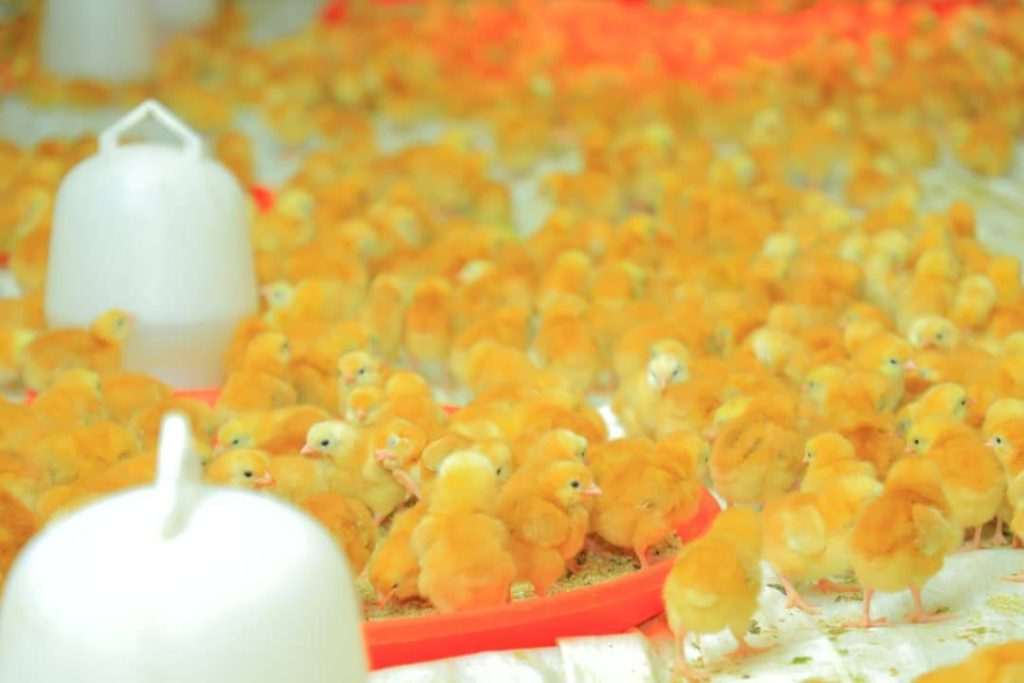
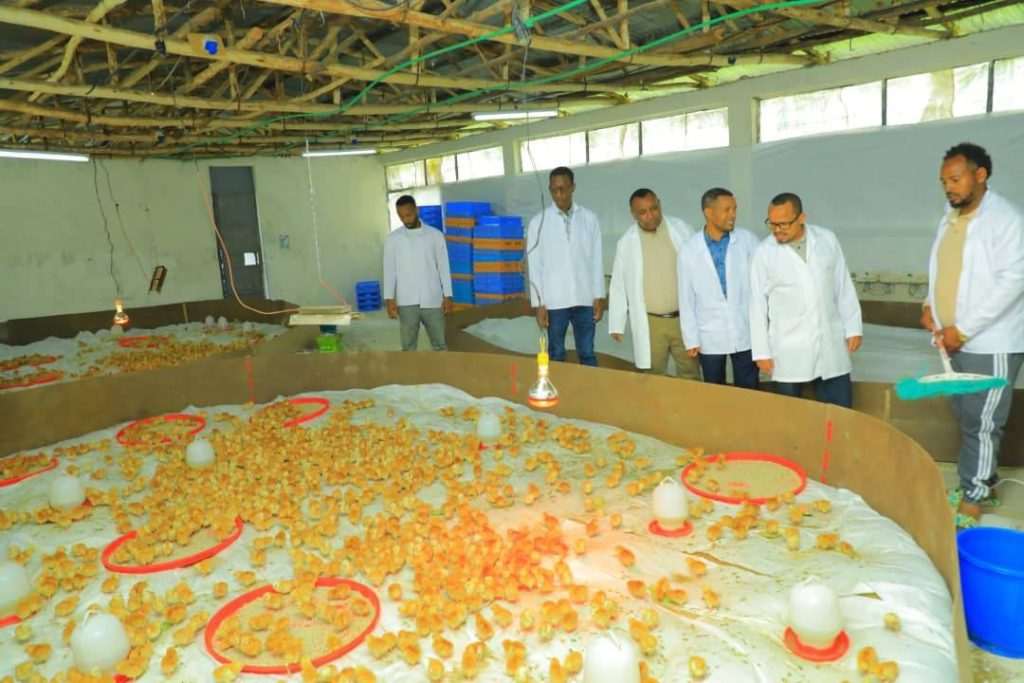
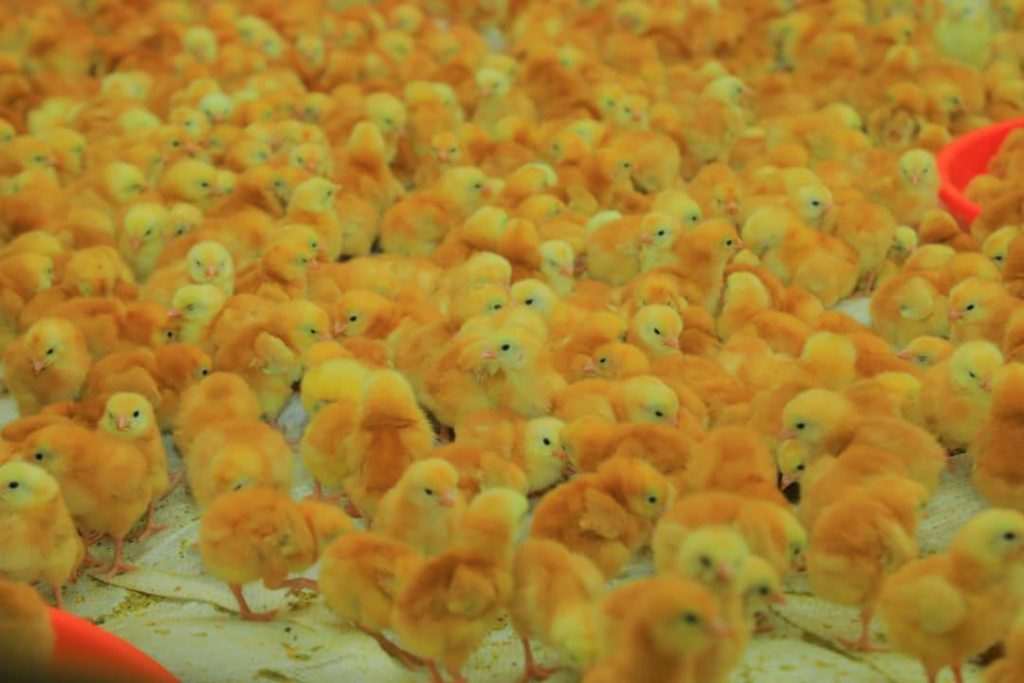
የደቡብ ኢትዮጵያ ክልል ዶሮ እርባታ ኢንተርፕራይዝ በክልሉ አቅም ለመጀመሪያ ጊዜ ያስፈለፈላቸውን ከ6 ሺህ በላይ የአንድ ቀን ዶሮ ጫጬቶችን ለአርቢዎች አሰራጨ።
በምክትል ርዕሰ-መስተዳድር ማዕረግ የዲላ ክላስተር አስተባባሪና የክልሉ ግብርና ቢሮ ኃላፊ መሪሁን ፍቅሩ(ዶ/ር) በዚሁ ወቅት እንደተናገሩት የሌማት ትሩፋት ኢኒሼቲቪ አካል የሆነው የዶሮ እርባታ ሥራ…
ሙሉ ዜናውን ለማንበብ https://web.facebook.com/share/p/181VnBTL3X/
የደቡብ ኢትዮጵያ ክልል ዶሮ እርባታ ኢንተርፕራይዝ በክልሉ አቅም ለመጀመሪያ ጊዜ የአንድ ቀን ዶሮ ጫጬቶችን አሰራጨ
(አዲስ አበባ፣ የካቲት 30 ቀን 2018 ዓ.ም፣ ግብርና ሚኒስቴር)
የደቡብ ኢትዮጵያ ክልል ዶሮ እርባታ ኢንተርፕራይዝ በክልሉ አቅም ለመጀመሪያ ጊዜ ያስፈለፈላቸውን ከ6 ሺህ በላይ የአንድ ቀን ዶሮ ጫጬቶችን ለአርቢዎች አሰራጨ።
በምክትል ርዕሰ-መስተዳድር ማዕረግ የዲላ ክላስተር አስተባባሪና የክልሉ ግብርና ቢሮ ኃላፊ መሪሁን ፍቅሩ(ዶ/ር) በዚሁ ወቅት እንደተናገሩት የሌማት ትሩፋት ኢኒሼቲቪ አካል የሆነው የዶሮ እርባታ ሥራ…
ሙሉ ዜናውን ለማንበብ https://web.facebook.com/share/p/181VnBTL3X/
Improvement in poultry production is one of the most promising options to provide affordable protein and other essential nutrients to Africa’s rapidly growing population, but poultry diseases pose a constant threat to productivity, and limit the industry’s potential. Even though vaccination is proven as an effective way of protecting poultry, high temperatures in Africa make distribution of vaccines (which mostly need to be kept cold) a challenging task in the continent. This hurdle, combined with a lack of information about circulating infectious diseases, exposes small-scale producers to the risk of losing their flocks and livelihoods overnight.
In 2021, Ceva Santé Animale in partnership with GALVmed, and with the support of the Bill & Melinda Gates Foundation (BMGF), launched the PREVENT (PRomoting and Enabling Vaccination Efficiently, Now and Tomorrow) initiative to introduce hatchery vaccinations for day old chicks (DoC) in mid-size hatcheries in Africa. The overarching objective was to enable small-scale poultry producers in Africa to become more productive and efficient and to enhance their prospects for progression and advancement in the industry. And the targets were ambitious; over 50 million hatchery-vaccinated day-old chicks distributed annually through 36 medium-sized hatcheries spread across eight Africa countries. These were expected to benefit 150,000 poultry producers.
Three years since inception and with over a year left on the project, PREVENT has performed remarkably and is on track to achieving, and in some instances exceeding, its targets. Already, 31 hatcheries in 11 countries have been equipped to provide vaccinations to DoCs benefitting over 100,000 poultry farmers.

Read more here
The 13th Ethio Poultry Expo (ETHIOPEX) and the 9th Africa Livestock Exhibition and Congress (ALEC) have officially opened at Millennium Hall, showcasing Ethiopia's commitment to advancing its animal husbandry sector. This year’s event, which also features exhibitions on Apiculture, Aquaculture, and Bioenergy, has attracted over 1,000 enthusiastic visitors.
The opening ceremony on October 31, 2024, was marked by a vibrant atmosphere of exchanges and collaborations, welcoming exhibitors from 14 countries. Esteemed guests and partners celebrated this impactful start, reinforcing Ethiopia's role in advancing its agricultural landscape.
The ceremony was graced by notable figures, including:
Highlighting the significance of animal husbandry to Ethiopia's economy, Dr. Regassa stated, “With Africa’s largest livestock population, enhancing productivity in dairy, poultry, aquaculture, and honey is essential to meet our country’s food demands.” He emphasized this year’s theme, “Livestock: Now and the Future; Current Opportunities, Challenges, and the Way Forward,” aligning with the goals of the "Yelemat Tirufat" program.
Ambassador Pirenne expressed the Netherlands' commitment to supporting Ethiopia’s dairy and poultry sectors, emphasizing their role in economic growth and food security. She noted the participation of over 15 Dutch companies showcasing innovations in genetic breeding and dairy processing technology.
Mrs. Graham encouraged participants to engage and collaborate, emphasizing the event as a valuable opportunity for sharing experiences and advancing sustainable practices in animal husbandry.
Mr. Lemma highlighted the impressive turnout of over 100 exhibitors from various countries, thanking partners, including the Ethiopian Ministry of Agriculture and the Ethiopian Livestock Development Institute, for their support in making the event possible.
Moustafa underscored the importance of partnerships as a foundation for progress, expressing excitement about the collaborative opportunities that ETHIOPEX offers to local and international stakeholders.
Attendees explored advanced technologies and solutions at the Netherlands Pavilion, engaging with top exhibitors in the livestock and poultry sectors. Completed sessions included the Poultry Forum and the Dairy Summit on milk quality and safety.
The second day promises valuable insights with the following key sessions:
This exclusive session will gather experts in dairy production and safety to discuss innovative approaches for Ethiopia's dairy sector.
This session will address essential issues affecting the animal husbandry sector.
As we move forward, the ETHIOPEX and ALEC events aim to shape the future of Ethiopian agriculture through collaboration and innovation. Thank you to all who contributed to a successful opening day! We look forward to another day of insights and progress in animal husbandry.
Driven by changing consumer preferences, economic factors, and regional dynamics, chicken meat and eggs are at the forefront of this growth. In this comprehensive analysis, we explore the key drivers behind the industry’s upward trajectory.
Feed efficiency and cost reduction
Advancements in poultry nutrition and management practices have led to improved feed efficiency. Lower input costs—particularly for feed, vaccines, and medications—have made chicken production more economically viable. As a result, consumers benefit from affordable chicken prices, encouraging higher consumption.
The role of technology
Precision agriculture, genetic selection, and data-driven decision-making have revolutionized poultry farming. Farmers can optimize feed conversion ratios, reduce waste, and enhance productivity. These technological innovations contribute to the industry’s growth.
Chicken as the preferred protein
In an increasingly health-conscious world, chicken remains a popular choice. It is lean, versatile, and adaptable to various cuisines. As inflation eases and wages improve, consumers continue to prioritize affordability, making chicken an attractive option.
Read more here
Growth in global poultry consumption is poised to return to historic levels after several years of slow progress.
Demand should grow by 2.5% to 3% worldwide this year, driven by accelerating consumption growth in many markets, according to the latest global Poultry Quarterly report from the research unit at Rabobank.
See also: Proper turnaround still required despite 30kg switch
“Global poultry markets are performing well due to lower production costs and solid demand recovery in most markets,” said Nan-Dirk Mulder, senior analyst at RaboResearch.
However, the key issues confronting the trade remained a concern and were largely unchanged.
These included the need to maintain the market balance during expansion, the persistence of avian influenza, growing geopolitical tensions, and the cost of sustainability initiatives in numerous countries, along with the possible impact of El Nino on feed costs.
Read more here